

:max_bytes(150000):strip_icc():format(jpeg)/RV-56edce183df78ce5f8374879.jpg)
According to a survey from Edelman Financial Engines, many Americans want a retirement that doesn’t tie them down. Nearly 40% of survey respondents said they wanted an “adventurous” retirement, while 24% said they wanted a “nomadic” lifestyle that didn’t require living in one place.
If you’re part of the 24%, you can create a plan for a nomadic retirement with some careful thought ahead of time.
Key Takeaways
- Selling or downsizing your home can provide a nest egg to fund a nomadic retirement. If you only want to travel part-time, you will need a home base to return to.
- Medicare Parts A and B provide coverage in all 50 states, as well as other U.S. territories, but international coverage is only for emergencies.
- Be sure to have a plan in place for when you are no longer able to travel and need greater assistance as you age.
- You can often continue to receive Social Security retirement and survivor benefits if you live overseas, as long as you meet general eligibility requirements.
- You have to keep paying federal, state, and local income taxes if you live in the U.S. during retirement. If you are living abroad, you still need to follow U.S. tax laws and file a federal tax return.
Types of Nomadic Retirements
If you want a nomadic retirement, start planning before you stop working. Figure out what a nomadic retirement means to you. Do you want to live:
- On the road 100% of the time, either in the United States, overseas, or both?
- At home for part of the year and travel for long stretches at a time?
- At home but have the flexibility to travel when you want?
Any of these visions of a “nomadic” retirement is possible. Think through what you want, then talk with a financial planner to determine how much you will need to save and what steps you can take now to make your vision possible.
Saving for a Nomadic Retirement
“There are many considerations that need to be accounted for on the saving and planning side if someone wants to travel a significant amount of time during their retirement,” says Jill Fletcher, certified financial planner and a financial advisor with Cary Street Partners. “An important consideration is healthcare, especially if you will be traveling internationally. Another consideration is your housing situation and deciding if you will keep a home base.”
Fletcher says that managing cash flow and withdrawal strategies for your retirement income will be more complicated if you are pursuing a nomadic retirement. If your living situation is constantly changing, your fixed expenses will be less fixed, and your variable expenses will be more variable. You will also have to take exchange rates into account if you are traveling internationally.
A good goal for retirement savings is generally 15% of your income. However, “I recommend working towards the goal of 20% of gross income,” Fletcher says. This higher savings rate can be particularly important if you plan on traveling for a large portion of your retirement.
Create a savings plan that takes all these variables into account, including emergencies, taxes, insurance, and other surprise expenses.
Should You Sell Your Home?
Living on the road can get expensive if you stay in hotels. Some ways to keep these costs down include:
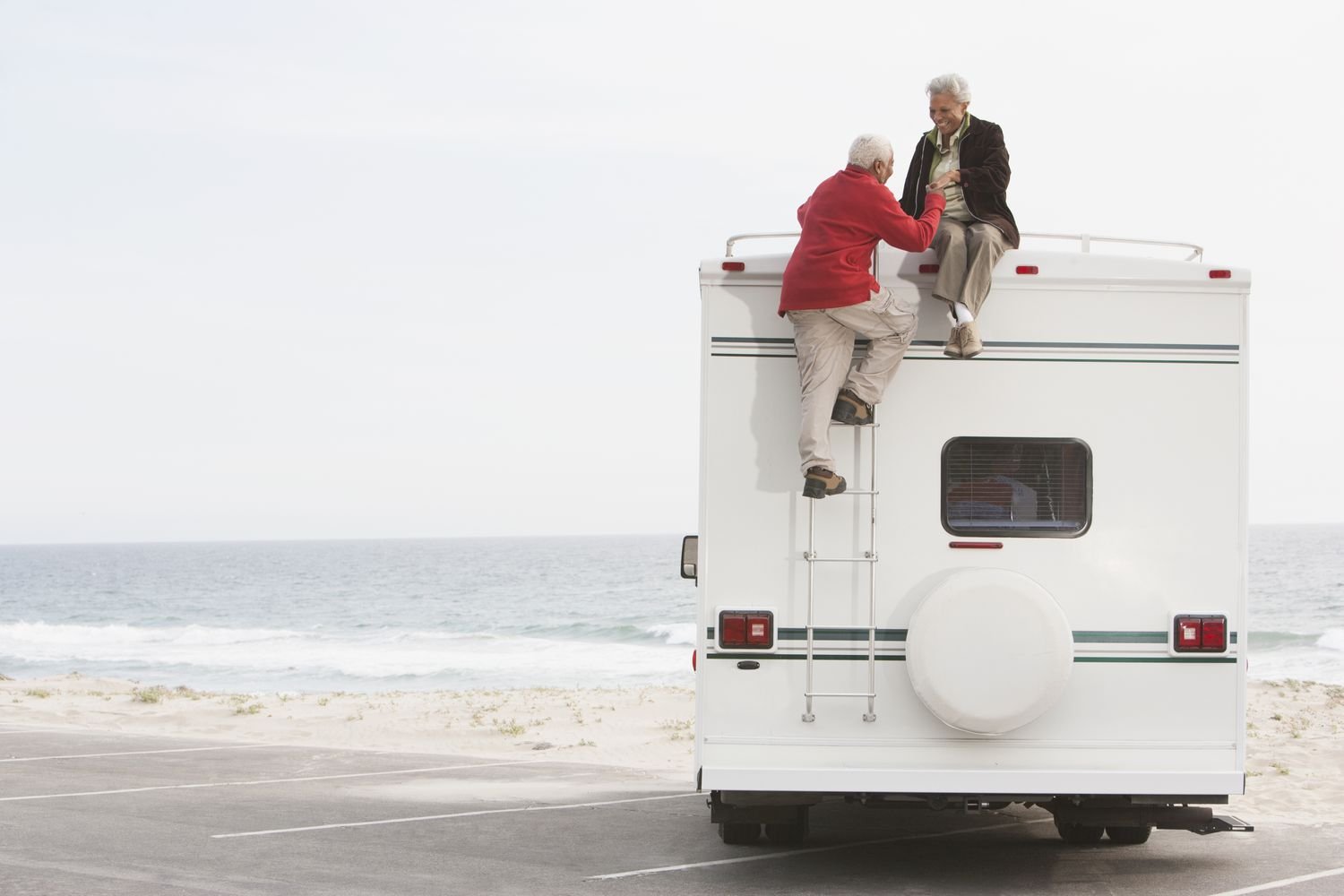
- Buying a comfortable RV to live in while you travel
- Setting up long-term housesitting arrangements domestically or internationally
- Finding long-term rentals in different destinations
Tip
Eating out is generally more expensive than cooking for yourself. Plan to live places where you can prepare at least some of your own meals to keep costs down as you travel.
If you own your home, selling it can create a nest egg that will fund a nomadic retirement. Before you sell, though, it’s important to think long-term. Inflation-adjusted housing costs across the U.S. have risen around 65% since 2000 and are still rising. If you sell during retirement, when you have a fixed income, you may not be able to buy again in your current location. Or, you may only be able to afford a smaller space.
If you’re part of the 51% of retirees who plan to downsize during retirement, though, buying a smaller space once you’re done traveling might not pose a problem. And if you’re planning to travel for part of the year, downsizing to a smaller space might make the most sense. You won’t need as large a home if you’re only there sometimes, and the funds from the sale of your larger home can still help fund your travel.
Managing Healthcare on the Road
If you’re planning on a nomadic retirement, you may be worried about healthcare costs adding up if you find yourself at an out-of-network provider. However, if you have original Medicare (Parts A and B), you’re in luck. As long as you visit a provider that accepts Medicare, you’ll be covered in:
- All 50 states
- Washington, D.C.
- Puerto Rico
- U.S. Virgin Islands
- Guam
- American Samoa
- Northern Mariana Islands
Both original Medicare and Medicare Advantage plans are required to cover urgent and emergency care throughout the U.S. without imposing out-of-network costs. Some Medicare Advantage plans also provide state-to-state coverage and a national pharmacy network, though others do not.
Medicare won’t usually cover healthcare costs overseas, though there are specific Medicare Advantage and Medigap plans that cover emergency healthcare while you’re traveling. If you plan to live internationally during retirement, you will need to buy international health insurance that will cover both routine care and emergency expenses.
Social Security While Living Abroad
In most cases, if you live overseas during retirement, you can continue to receive Social Security retirement benefits and Social Security survivor benefits, as long as you meet the general eligibility requirements. However, the Social Security Administration (SSA) won’t make payments if you are living in some countries, including:
- North Korea
- Cuba
- Some former Soviet republics, although exceptions can be made
If you are a U.S. citizen residing in one of those countries, your unpaid benefits will be held on your behalf. They will then be paid out when you enter a country where Social Security payments can be sent. If you aren’t a U.S. citizen, you will forfeit any Social Security benefits for the months that you live in Cuba and North Korea.
Important
Social Security benefits are calculated in U.S. dollars. The amount of your benefit will not be increased or decreased because of international exchange rates.
If you are outside the U.S., you can apply for Social Security benefits online and receive them through direct deposit at any U.S. financial institution or an international financial institution that has an international direct deposit agreement with the U.S. Once you start receiving Social Security payments abroad, the SSA will send you a questionnaire every one to two years to ensure that you are still eligible to receive benefit payments. If you fail to respond to the questionnaire, you may be considered ineligible, and your benefits can be halted.
To find out if you are eligible to receive Social Security payments while living abroad, you can use the SSA Payments Abroad Screening Tool.
Paying Taxes
If you live in the U.S. during retirement, you will need to continue paying any federal income tax that you owe, including on your Social Security benefits. Up to 85% of your Social Security income is taxable if you meet income thresholds. You will also need to pay any local or state income taxes you owe on your retirement income; this is generally paid in the state where you have residency, even if you are living nomadically.
If you are living abroad during retirement, you will still need to follow federal tax laws and file a federal tax return on your worldwide income. If you earn income overseas, though, you may be eligible for the foreign earned income exclusion or the foreign tax credit, which can lower your U.S. tax bill. However, you must file a U.S. tax return to be eligible for these.
You will need to report any virtual currency transactions to the Internal Revenue Service on your tax return. You will also need to report any foreign bank accounts to the U.S. Treasury Department, even if they don’t generate any taxable income.
When it comes to state taxes, the rules vary. Each state has its own residency requirements. Even if you currently live abroad, some states may consider you a resident and require you to pay taxes. You may be considered a resident in the state where you:
- Maintain a permanent address
- Live for a substantial portion of the year
- Are registered to vote
- Earn income
- Own real estate
- Obtain a driver’s license
To understand your tax obligation while living and traveling overseas, consult a tax advisor who specializes in foreign residency.
Fast Fact
If you are living and traveling abroad, you must also obey the tax laws of the countries you are in. Whether you are required to pay foreign taxes may depend on how long you reside in a city or country.
The Bottom Line
A nomadic retirement can allow you to travel and explore in ways that you couldn’t while working or raising a family. Planning for this kind of adventure, says Fletcher, “really comes down to what lifestyle someone wants to live in retirement and saving according to that goal.”
However, this lifestyle may be possible only while you are in good health and don’t require assistance with the tasks of daily living. If you plan to have a nomadic retirement, you will still need a plan for when you can no longer safely travel or live unassisted. Whether you want to be in a community with graduated levels of care or plan to age in place with family, be sure you are planning for your long-term retirement, not just for the first few years after you stop working.
