

:max_bytes(150000):strip_icc():format(jpeg)/GettyImages-2161665709-8456420789814aba92cc7d6bd84cbeaf.jpg)
What Are Costco’s Top 4 Subsidiaries?
Costco Wholesale Corp. (COST) often brags that it was the first company in history to grow from zero to $3 billion in sales in less than six years. That was a while ago. The company’s net sales totaled $249.6 billion for its fiscal year (FY) 2024.
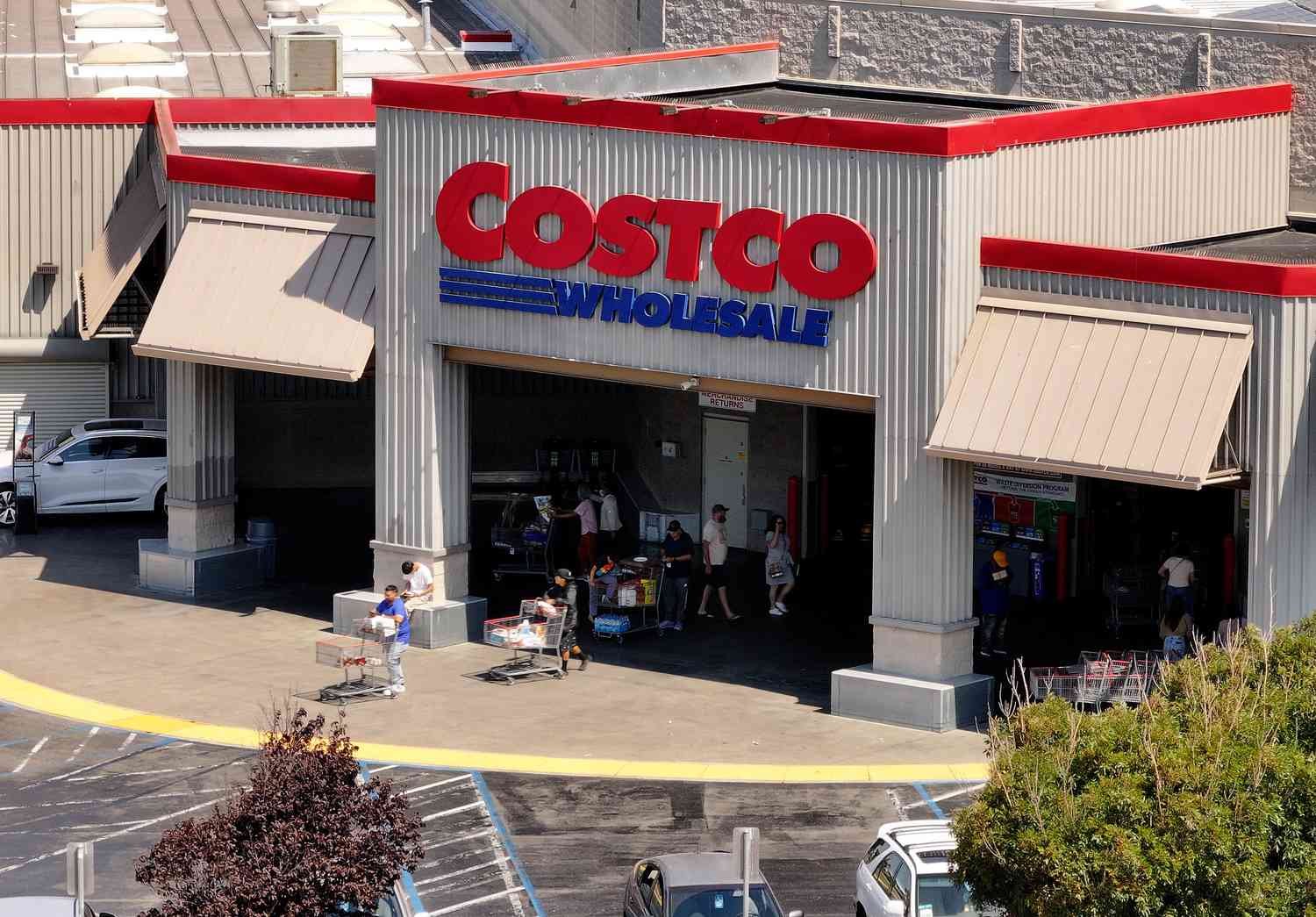
The company sells both branded and private-label products, including packaged foods, beverages, appliances, electronics, and health products. Its warehouses feature bakery, deli, and produce departments. As of year-end 2024, Costco operated 897 warehouses globally. The company recorded earnings per share (EPS) of $4.28 in its latest filing.
The company’s market capitalization was $418.34 billion as of September 2025. Costco operates several key subsidiaries that have helped drive sales and profits for the business.
Key Takeaways
- Innovel, a 2020 Costco purchase, is a logistics company skilled at getting large products like appliances to customers’ homes.
- Kirkland Signature is Costco’s house brand, allowing it to increase its profit margin on many of the basics sold in its warehouses.
- Ecommerce is generating an increasing share of overall Costco revenues.
- Ancillary businesses like gas stations and in-store pharmacies bring customers into the warehouses for more purchases.
Innovel: Costco’s ‘Final Mile’ Solution
Costco bought logistics company Innovel from the holding company that operates Sears and Kmart for $1 billion in March 2020. Formerly a customer of Innovel, Costco bought the company to help it streamline its “final mile” delivery of big and bulky items like appliances, furniture, televisions, and fitness equipment from the warehouse to the customer.
Along with Innovel’s 1,500 employees, Costco gained about 15 million square feet of warehouse space around the United States.
Kirkland Signature
This label, familiar to Costco shoppers, is actually the company’s house brand and a Costco subsidiary. It produces dozens of products under the Kirkland Signature brand name, including groceries and packaged food items.
In recent years, the company has focused on co-branding Kirkland Signature with other familiar names, introducing new products like Cole Haan shoes and Brown Jordan patio furniture.
By producing its own brand, Costco can meet the changing needs of its customers and control product designs, costs, and pricing. Because Costco has more control over these factors, the company can sell these products at a higher profit margin than comparable products supplied by a third-party vendor.
Ecommerce
Costco wasn’t the fastest off the mark on ecommerce. Not that many years ago, it only had emails on record for about one-third of its customers. It has caught up since, with a 16.1% increase in online sales for its fiscal year that ended on Sept. 1, 2024.
That was led by appliance and furniture sales. Health and beauty products also sold well online. Costco also completed its rollout in FY 2024 of same-day pickup for new televisions purchased online.
Costco grew its ecommerce sales by improving its ability to distribute products to customers. The company added depot distribution points in several countries, which means it can deliver orders to customers faster.
In-Store and Online Synergies
Costco uses its relationships with in-store product vendors to add more online product offerings. It uses in-store marketing and promotions to encourage shoppers to buy products online, which has increased sales of jewelry, electronics, and appliances.
Costco has partnered with Instacart to deliver products ordered through its ecommerce delivery businesses. The company uses Innovel for home appliance delivery and installation services, calling the service Costco Logistics.
All of these efforts are important because they help Costco make two types of sales to the same customer. A shopper may buy products in-store and online. Costco can increase the average dollar amount sold to a single customer using online sales. The company gets a higher return for its marketing dollars and increases revenue without adding more physical warehouse space.
Ancillary Businesses
Costco refers to several types of businesses as ancillary, including its gasoline stations, pharmacies, optical and hearing aid centers, and travel business.
Costco believes its ancillary businesses are critical tools to draw customers into its warehouses. Customers who buy gas or stop by a Costco to pick up a prescription are likely to take a detour down a few store aisles while they’re there.
These ancillary businesses help drive total sales for Costco’s core product lines, such as food and household sundries.
Co-Branded Credit Cards
In 2015, Costco signed a co-branded credit card agreement with Citibank N.A., which authorizes Citibank to be the exclusive card issuer for Costco.
When a customer uses a Costco Visa card, Costco earns a royalty on purchases made by the cardholder anywhere. The agreement allows Costco to earn additional revenue when its customers use their credit cards inside and outside of its warehouses.
