

:max_bytes(150000):strip_icc():format(jpeg)/GettyImages-1798628273-d23c7cea79de46e8a812f3faac89122d.jpg)
Key Takeaways
- Bank impersonation scams are surging because they trigger immediate panic responses and bypass normal skepticism.
- AI has eliminated traditional scam red flags like poor grammar, making fraudulent communications nearly indistinguishable from legitimate ones.
AI is quickly transforming how scammers operate, as even cautious consumers are falling victim to increasingly sophisticated fraud schemes. Cyber fraud drove record losses of $16.6 billion in 2024, up 33% from 2023, and experts are ringing the alarm bells—anything to get our attention about the pervasive frauds coming through our phones and inboxes..
“Nobody is immune. It’s a little bit like driving a car—it doesn’t matter how good a driver I am, someone could hit me,” Darius Kingsley, Head of Consumer Business Practices at JPMorgan Chase & Co. (JPM) told Investopedia.
How AI Is Weaponizing Your Trust in Banks
Today’s AI-powered fraudsters are creating emails, texts, and phone calls that look and sound entirely legitimate. “Someone will use AI to draft a perfectly written email. The grammar is great… It’s got a logo, you know, it just looks really, really good,” Kingsley said.
Experts say attackers are now exploiting the financial literacy campaigns that have taught consumers to act quickly on potential fraud alerts. “There’s a lot of messaging that there’s fraud, there’s scammers out there, and if you get an alert from your bank, react right away,” he said.
But the fraud awareness campaigns that banks have worked to instill is now being used against them. “People’s brains are being hijacked a little bit because scammers know that customers are going to react to something from their bank,” Kingsley said. “You get that communication from your bank, you’re much more likely to react immediately. The panic sets in.”
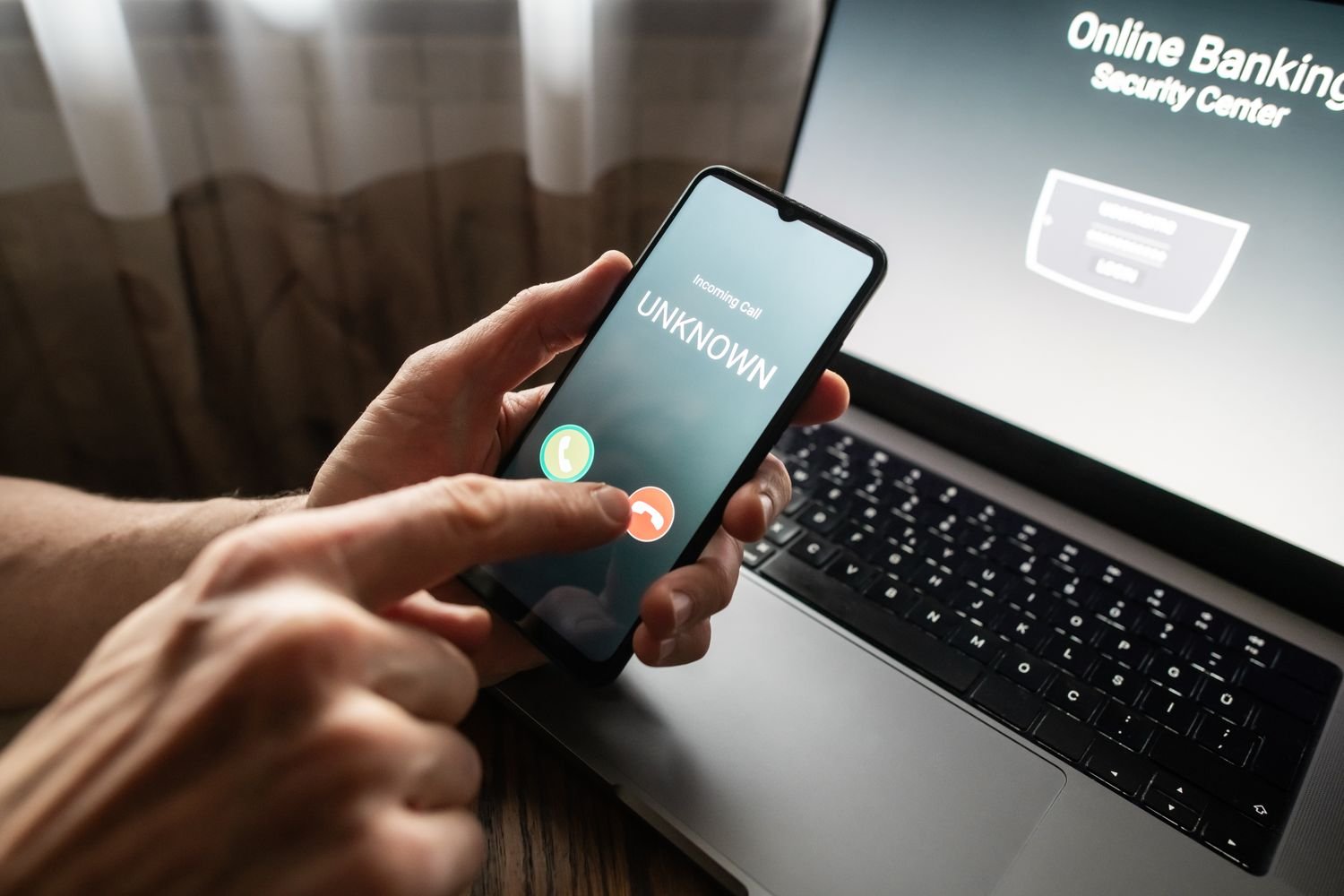
The sophistication extends beyond message content. Scammers can spoof local branch phone numbers, use realistic caller ID displays showing your bank’s name, and even reference recent transactions to build credibility, Kingsley said.
The Red Flags That Could Save Your Savings
Emergency requests are the most common red flag. “Generally, any kind of email or phone call telling you that you have to act urgently, definitely be super cautious about that,” Kingsley said. Legitimate banks rarely demand immediate action through unsolicited communications, especially for account security issues.
The second major warning sign involves unusual payment or withdrawal methods. “No bank is going to say, ‘We have to open a new bank account for you because there’s fraud on your current one, so we need you to go into the branch [and] take out a cashier’s check for $200,000,'” Kingsley said. Any request to withdraw large amounts of cash, visit bitcoin ATMs, or transfer funds to “temporary” accounts should trigger an immediate suspicion.
For text message scams, there’s a simple technical check that can help. Fraudulent messages often come from regular phone numbers. “If it’s from a five-digit short code, it probably actually is your bank. If it’s from any other number, it’s probably not,” Kingsley said.
Warning
Older adults are more likely to answer phone calls from unfamiliar numbers, Kingsley said, and scammers exploit this by spoofing local bank branch numbers and using area codes that match the victim’s location.
Your Defense Strategy Against AI Fraud
Like other major banks, JPMorgan Chase has responded to the AI fraud crisis with an aggressive community education campaign. The bank now hosts over 360 fraud prevention workshops annually across its 5,000 branches, averaging more than one workshop per day nationwide.
However, the most effective protection remains straightforward: verification through official channels. “If you have any contact from your bank whatsoever, and you have any doubt that it’s legit…hang up and call the number on the back of your debit card,” Kingsley said. Your bank should have records of any real security issues when you call.
Setting up legitimate account alerts provides another layer of protection. By understanding what real bank communications look like, you’ll be better equipped to identify fakes and receive updates on any problematic transactions.
The key is taking a breath before acting on any urgent financial communication and consulting with someone you trust.
Warning
Here are the biggest red flags to watch out for with bank impersonation:
- Unexpected links: They ask you to click on weblinks.
- Urgent language: They use fear or pressure tactics to get you to act quickly before your reasoning catches up with them.
- Suspicious attachments: They send files you didn’t request.
- Personal info requests: They ask for PINs, passwords, or Social Security numbers.
- Payment pressure: They rush you to send money through apps or wire transfers.
Why Everyone Thinks They’re Immune (But Aren’t)
Perhaps the biggest challenge fraud experts face is convincing people they’re not too savvy to be scammed.
“The problem is nobody ever thinks they’ll fall for a scam. You’re trying to educate people who none of whom believe this is ever likely to happen to them,” he said. This overconfidence creates a dangerous blind spot that scammers expertly exploit.
Kingsley sees some hope in changing attitudes among both corporate executives and everyday consumers. “I’m hearing from more and more people, ‘Yeah, it doesn’t matter how smart I am. I used to be a chief financial officer, but I could fall for a scam too,'” he said.
The Bottom Line
AI has fundamentally changed the fraud landscape, making it harder to spot. Your best defense is to verify any calls and texts by calling your financial institution’s official number (the one you’ll find on the back of your credit and debit cards). You can also set up account alerts and consult trusted family before acting on urgent requests.
