

:max_bytes(150000):strip_icc():format(jpeg)/GettyImages-2149161223-eea930ec5fc84498946376b9c1b07062.jpg)
Key Takeaways
-
Kevin O’Leary says money—not infidelity—is the top reason marriages fail, urging couples to talk finances by the third date.
-
Research shows couples who argue about money are almost three times more likely to divorce than those who don’t.
-
Financial infidelity is widespread: more than a quarter (28%) of spouses hide debt or big purchases.
-
Experts say income level matters less than communication, shared values, and being open with each other about your finances.
Kevin O’Leary is out to kill the fairy tale idea that love conquers all.
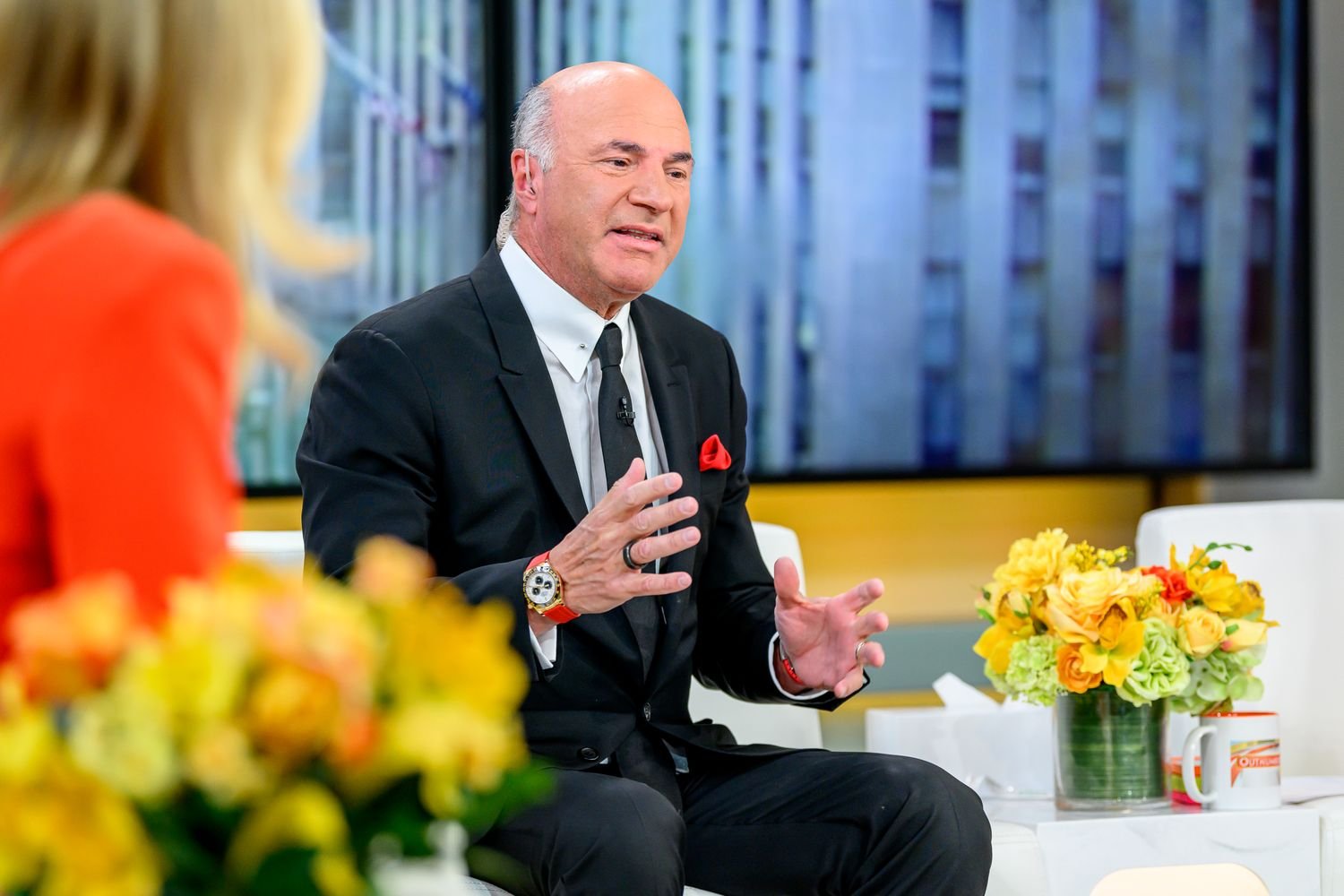
“If you don’t have money, you don’t have a marriage,” the “Shark Tank” investor told the “The Iced Coffee Hour” podcast in September.
O’Leary insisted that financial stress—not cheating—is what kills relationships. His advice?
“Most marriages can survive infidelity. What they can’t survive is financial stress,” O’Leary said, recommending couples get down to talking dollars and cents by the third date over “the second glass of wine.”
O’Leary’s focus on financial compatibility may be a jarring wake-up call for starry-eyed romantics. But his comments are intended to provide American couples with a roadmap away from financial anxiety.
A 2025 Northwestern Mutual survey found that 57% of couples say money worries strain their relationship, a figure that shoots up to 75% for millennials. However, with almost 3 in 10 spouses admitting they hide debt or big purchases from their partner, experts warn that secrecy and conflict—not the number of digits in your bank account balance—are what really put marriages at risk.
For Richer or Poorer? Many Say ‘Yes’
Johanna Peetz, a psychology professor at Carleton University who studies financial intimacy, said that while there’s “a kernel of truth” to O’Leary’s points about financial stress harming relationships, O’Leary’s overall stance should be challenged.
“Marriages exist at all levels of income and financial situations,” she said. “Financial stress is harmful in all kinds of ways, including making it more difficult to be a responsive, understanding partner. However, I am aware of no evidence that financial stress is worse than other types of stress, for example health-related stress.”
Peetz and her colleagues Zoe Meloff and Courtney Royle documented exactly how corrosive financial conflicts can be for relationships in an important 2023 study.
“While money and finances are not the most frequent disagreement topic in relationships, it is one of the most persistent and ultimately destructive types of conflict in relationships,” they wrote.
The study cited earlier findings showing that “women who reported arguing ‘often’ about money in marriage were nearly three times more likely to divorce compared with those who ‘sometimes’ or ‘hardly ever’ argued about money.”
But things are more complex than O’Leary’s stark equation suggests.
A 2025 Western & Southern Financial Group survey found that about one-fifth (21%) of married Americans have never even discussed debt with their spouse, while 28% admit to hiding major purchases or debts. Despite these issues, couples muddle through complex financial problems across all income levels—suggesting that financial transparency and communication skills matter more than their income or net worth, Peetz said.
Important
Peetz also challenged O’Leary’s suggestion that people with different financial backgrounds can’t flourish together. “Values are somewhat linked to a person’s background, but there are savings-oriented people and spending-oriented people at all economic stratas,” she said. And according to Peetz, that’s what matters more.
What’s Most Damaging for Relationships?
For couples facing financial challenges, overcoming them can be daunting. Peetz’s co-authored study found that conflicts about “perceived irresponsibility” and unfair “relative contributions” were most damaging to relationships, while couples who discussed everyday expenses reported having better relationships. What’s important, she said, is “being open and truthful about financial decisions, as well as actually having a workable plan (such as automated debt payments, prioritizing getting into a better financial position over other interests).”
While no one’s making movies about couples growing closer through the joys of a joint checking account, these more mundane details of a shared life matter.
“Pooling money where appropriate rather than being overly focused on trading expenses down to the penny” is a measure of relationship success, Peetz said, while “red flags” to look out for in toxic relationships include financial infidelity and financial control.
The Bottom Line
O’Leary says that money makes or breaks a marriage, but the research suggests it’s not the size of your bank account that matters—it’s how you handle financial matters as a couple. Recent research shows financial stress can strain relationships, but marriages can succeed across all income levels when partners communicate openly, avoid secrecy, and have similar values about spending and saving. As Peetz puts it, “it might be more about shared financial values than shared economic background.”
