

:max_bytes(150000):strip_icc():format(jpeg)/GettyImages-2157347135-50748886c39d4315a839a6ec51c9491e.jpg)
Bonds have an inverse relationship to interest rates. When interest rates rise, bond prices usually fall, and vice versa. Those unfamiliar with bond trading, which can typically be done through leading brokerage platforms, may view the negative correlation between interest rates and bond prices as counterintuitive. But it makes sense when you consider that a change in interest rates, up or down, makes bonds that were previously issued more or less lucrative to investors in comparison with new bonds issued after the change.
Key Takeaways
- Most bonds pay a fixed interest rate, so existing bonds become more attractive if interest rates fall, driving up demand for them and increasing their market value.
- If interest rates rise, investors won’t want the existing bonds with a lower fixed interest rate, and their prices will decline until their yield matches that of new bond issues.
- Zero-coupon bonds provide a clear example of how this mechanism works in practice.
Bond Prices vs. Yield
Bond investors, like all investors, try to get the best return possible. To achieve this goal, they need to keep tabs on the fluctuating costs of borrowing. There are two key things to consider when looking at bonds: bond prices and bond yields.
The bond’s price is the amount that you need to pay to purchase the bond. If you’re buying it directly from the bond issuer, you’ll typically pay the same as its face value. If you’re buying it from another investor, the price may be higher or lower.
The bond’s yield is the return you receive in the form of interest. The current yield of a bond is determined by dividing its annual interest payment by its current price.
When a bond’s price falls, its yield rises because the annual interest payment remains the same. Similarly, when the price rises, its yield falls because you’re dividing the interest payment by a larger number.
An easy way to grasp why bond prices move in the opposite direction of interest rates is to consider zero-coupon bonds, which don’t pay regular interest and instead derive all of their value from the difference between the purchase price and the par value paid at maturity.
Zero-coupon bonds are issued at a discount to par value, with their yields a function of the purchase price, the par value, and the time remaining until maturity. Zero-coupon bonds also lock in the bond’s yield, which is attractive to some investors.
Zero-Coupon Bonds
If a zero-coupon bond is trading at $950 and has a par value of $1,000 (paid at maturity in one year), the bond’s rate of return will be 5.26%: (1,000 – 950) ÷ 950 x 100 = 5.26. In other words, an investor can pay $950 for this bond and get the money back plus a 5.26% return a year down the road.
Is that a good deal? It depends on what happens in the bond market during that year. If current interest rates were to rise, newly issued bonds might offer a yield of 10%. The zero-coupon bond yielding 5.26% has become much less attractive in the bond market.
To attract demand in the bond market, the price of the pre-existing zero-coupon bond would have to decrease enough to match the return yielded by prevailing interest rates. In this instance, the bond’s price would drop from $950 (which gives a 5.26% yield) to approximately $909.09 (which offers a 10% yield).
That is how a bond’s price moves relative to interest rate changes.
When Interest Rates Drop
Of course, interest rates might also drop during the year before that bond matures.
If they dropped to 3%, the zero-coupon bond, with its yield of 5.26%, would suddenly look very attractive. More people would buy the bond, which would push the price up until its yield matched the prevailing 3% rate. In this instance, the price of the bond would increase from $950 to about $970.87.
Given this price increase, you can see why investors selling their bonds benefit from a decrease in prevailing interest rates. These examples also show how a bond’s coupon rate and, consequently, its market price are directly affected by interest rates.
To attract investors, issuers of new bonds tend to offer coupon rates that match or exceed the current national interest rate.
Zero-coupon Bond Details
Zero-coupon bonds tend to be more volatile as they do not pay periodic interest during the life of the bond. Upon maturity, a zero-coupon bondholder receives the face value of the bond. Thus, the value of these bonds increases the closer they get to expiring.
Zero-coupon bonds also have unique tax implications. Even though no periodic interest payment is made on a zero-coupon bond, the annual accumulated return is considered to be income and is taxed as interest income.
The bond is assumed to gain value as it approaches maturity, but this gain in value is not viewed as capital gains, but rather as income.
That means taxes must be paid on these bonds annually, even though the investor does not receive any money until the bond maturity date.
Bond Prices and the Fed
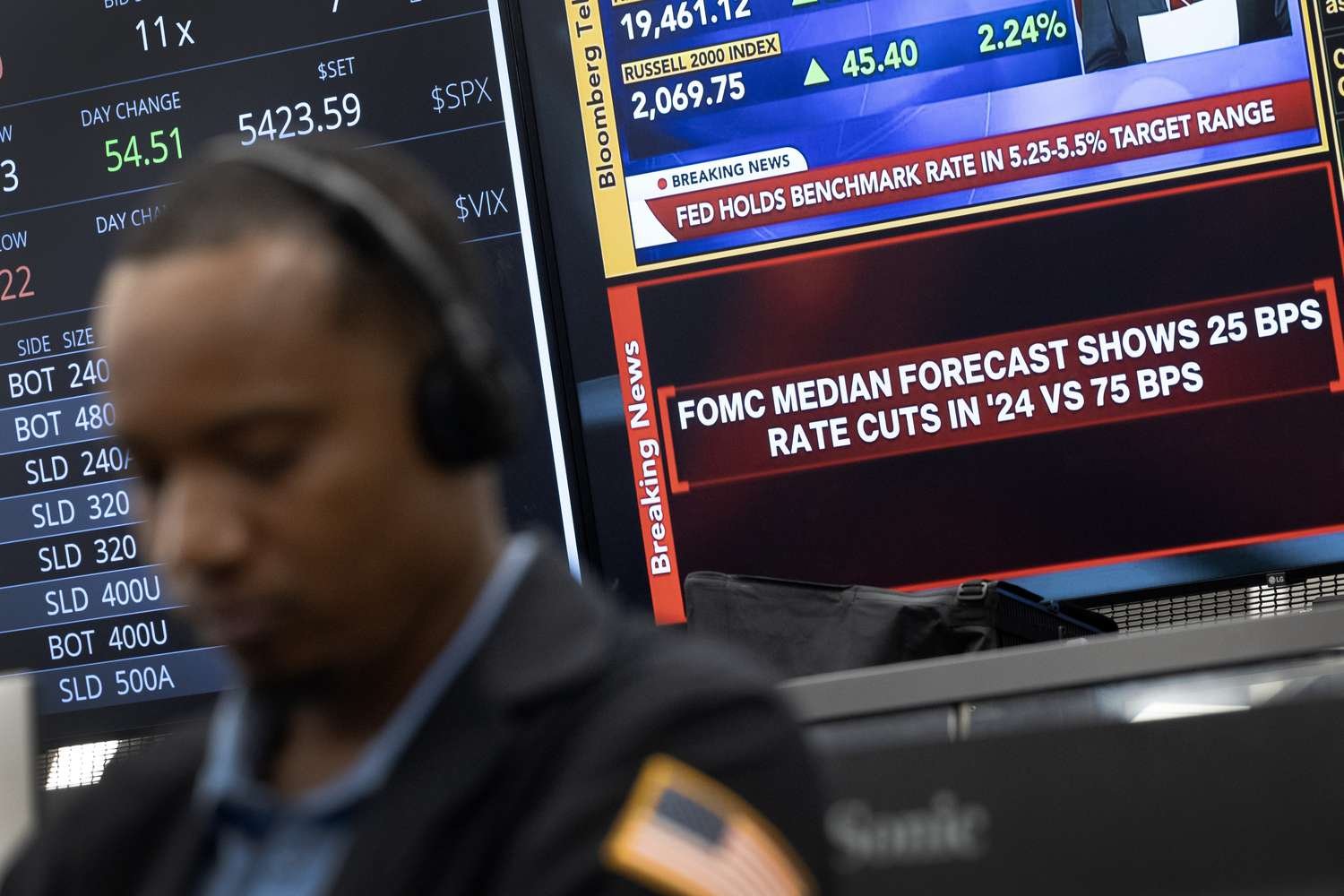
When people refer to “the national interest rate” or “the Fed rate,” they’re usually referring to the federal funds rate set by the Federal Open Market Committee (FOMC). This is the rate of interest charged for the interbank transfer of money held by the Federal Reserve. It is used as a benchmark for interest rates on all kinds of investments and debt securities.
Fed policy initiatives have a huge effect on the prices and the yields of bonds. When the Fed increases the federal funds rate, the price of existing fixed-rate bonds decreases, and the yields on new fixed-rate bonds increase.
The opposite happens when interest rates go down; existing fixed-rate bond prices go up and new fixed-rate bond yields decline.
Important
The sensitivity of a bond’s price to changes in interest rates is known as its duration.
Is It Better to Buy Bonds When Interest Rates Are High or Low?
In general, you’ll make more money buying bonds when interest rates are high. When interest rates rise, the companies and governments issuing new bonds must pay a better yield to attract investors. Your investment return will be higher than it would be when rates are low.
Do Bonds Go Down When Stocks Go Up?
Typically, when stocks go up, bond prices drop. Investors are simply following the money. When stocks are rising, they prefer to put their money in stocks rather than bonds.
What Causes Bond Prices to Rise?
Bond prices typically rise when interest rates drop. Rates can drop because of market forces or because of policy decisions, such as the Federal Reserve lowering a benchmark interest rate. Investors looking for higher yields will be willing to pay a higher price for existing bonds that have a higher interest rate, pushing bond prices upward.
What is the Relationship Between Bond Prices and Yields?
Bond prices and yields have an inverse relationship, meaning when one rises, the other falls and vice versa. This is because yield is calculated by dividing the annual coupon payment of a bond by its price. The annual payment doesn’t change throughout the bond’s life, so when the price changes, the yield experiences a corresponding change.
The Bottom Line
Interest rates and bond prices have an inverse relationship. When interest rates go up, the prices of bonds go down, and when interest rates go down, the prices of bonds go up. This happens because new bonds are issued with a higher yield, making existing bonds less attractive because they carry less interest. The prices on these lower-rate bonds must be reduced to make them attractive to buyers.
