

:max_bytes(150000):strip_icc():format(jpeg)/GettyImages-1358981804-c4b5feef12084ddaa875e73263027bf7.jpg)
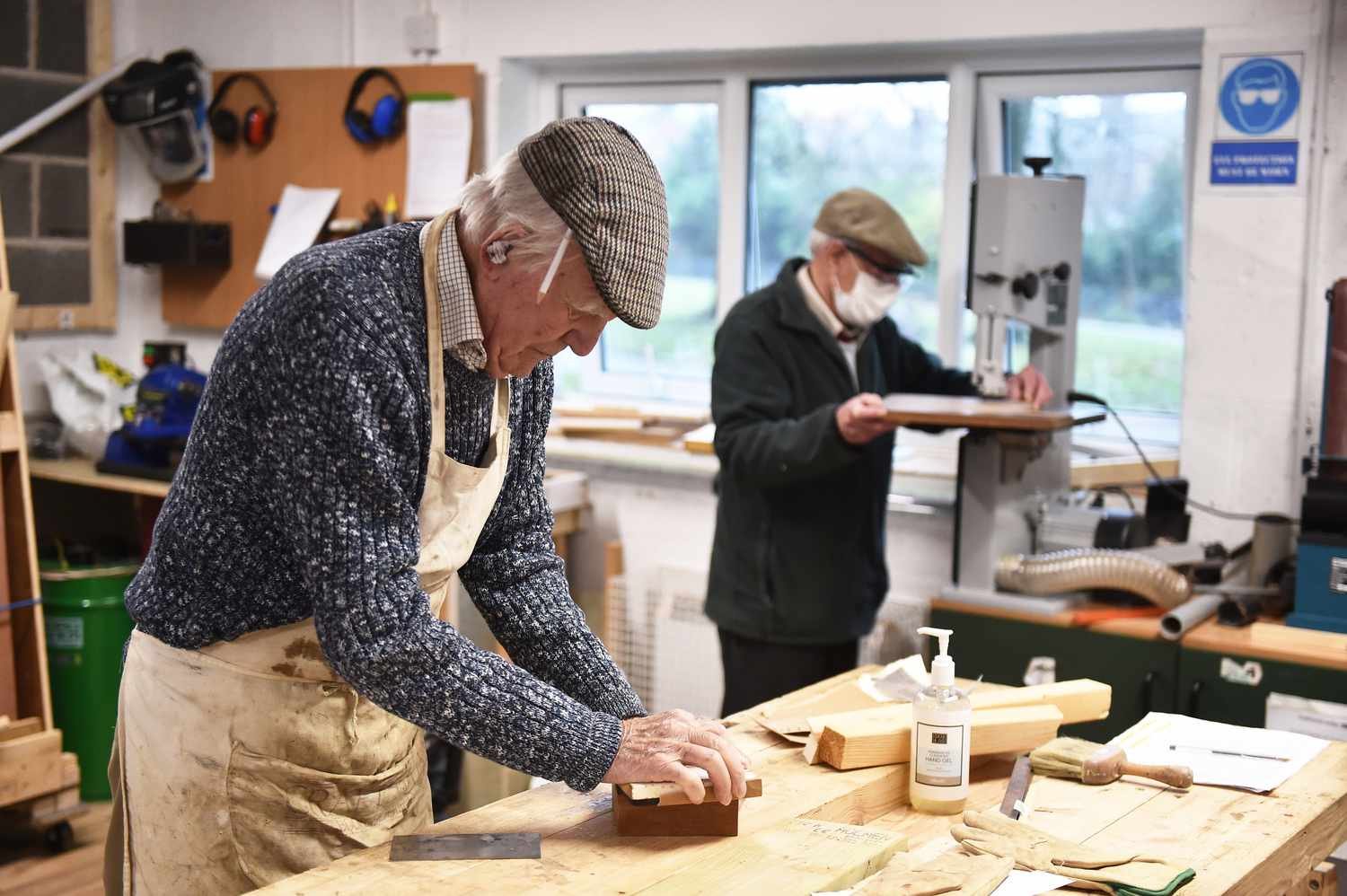
More Americans are staying on the job past the traditional retirement age. Adults 65 and older are now the fastest-growing slice of the U.S. labor force (nearly one in five Americans in that age group work)—a trend experts expect to accelerate over the next decade.
Some high-profile figures have served as recent examples of this trend. Pope Francis became head of the Catholic Church at age 76 and served until he died at 88, making public appearances until the day before his death. And Warren Buffett, now 94, only recently told shareholders he will step down as Berkshire Hathaway’s CEO, while planning to keep an active advisory role.
The average retirement age in the U.S. in 2024 was 64 for men and 62 for women, according to the Center for Retirement Research. But those who keep working could experience benefits beyond their paychecks. According to recent research, working even one more year beyond retirement age was associated with a roughly 10% lower risk of mortality among both healthy and unhealthy retirees.
Key Takeaways
- A growing body of research links later-life employment with better overall health, longer life expectancy, and sharper cognition.
- Benefits are strongest when work is self-chosen, part-time, or done in supportive, low-stress environments.
- But physically demanding or low-reward jobs can negate—or even reverse—health gains.
Pros of Working in Older Age
Lower mortality and chronic-disease risk: In a study that looked at National Health Interview Survey data over 15 years, being unemployed or retired after 65 was associated with the greatest risk of poor health, even after controlling for smoking habits, obesity, and other predictors of health.
More years of life: A 2016 study published in the Journal of Epidemiology and Community Health found that delaying retirement by one year was associated with a 9% to 11% reduction in all-cause mortality over an 18-year span, regardless of baseline health status.
Better physical health: Continuing to work is generally linked to better physical fitness, especially for people who scale back to part-time roles or have high-quality jobs.
Sharper mind and mood: Continuing to work leads to reduced symptoms of depression and can be beneficial for maintaining cognitive functioning, including memory.
Social connection and purpose: Work can offer structure, social interaction, and a sense of contribution, which can lead to a higher quality of life.
Cons of Working in Older Age
Job quality matters: High-demand or low-reward positions can worsen physical frailty and erode mental health, underscoring that not just any work will be positive healthwise.
Stress and burnout: High-pressure roles or a mismatch between values and tasks can elevate cardiovascular risk and dampen mood, potentially offsetting other benefits.
Slower recovery from injury: Older employees have fewer workplace injuries overall, but they take longer to heal when injuries occur, making safety accommodations crucial.
Further effects of income inequality: Researchers caution that advantages accrue mainly to people who have a choice in whether to keep working. People who are forced to stay employed for financial reasons may see fewer health gains and greater fatigue.
Social Security implications: Depending on your combined income level, you might owe income tax on part of your Social Security benefits.
What You Need To Know
- Audit your job fit: Ask yourself whether your role still provides mental stimulation, autonomy, and reasonable physical demands. If not, explore phased retirement, consulting work, or part-time arrangements.
- Negotiate flexibility: Age-friendly practices like flexible scheduling, self-paced tasks, and ergonomic equipment can be requested under many organizations’ well-being policies.
- Prioritize health screenings: Regular checkups can spot conditions that could be aggravated by continued employment.
- Cultivate lifelong learning: Skill-building not only keeps the mind sharp but also adds relevance in evolving workplaces.
- Plan financially: Ensure that continued employment is part of a broader retirement plan, not a substitute for it.
The Bottom Line
Working well into the traditional retirement age might promote longevity, cognitive vitality, and social engagement. Yet the upsides hinge on job quality, personal choice, and supportive workplaces. For many older adults, the healthiest path may be neither full retirement nor full-tilt work, but a flexible middle ground that blends purposeful employment with adequate rest, health care, and leisure.
