

You’re sending emails to thousands of people who all look the same in your ESP.
Same list. Same segments. Same campaigns going out to everyone who bought a moisturiser in the last 90 days. And yet somewhere in that list, there’s the customer who bought it for dry skin, the one who bought it as a gift, and the one who’s been dealing with a specific skin condition for years.
Three completely different people. One generic email.
That’s the gap zero-party data closes.
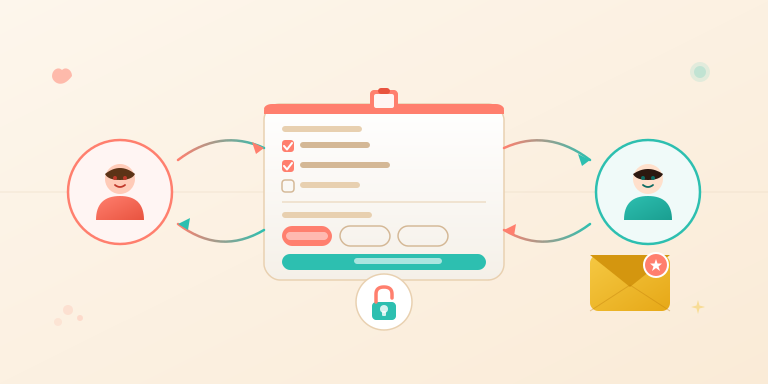
Unlike behavioural data, which infers what people want by watching what they click, zero-party data is information your subscribers give you directly. They tell you their skin type. Their budget. Their biggest challenge. Their preference for hearing from you twice a week or once a month. No guesswork. No inference. Just answers.
And once you have those answers, you can build email programs that feel less like broadcast and more like conversation.
Short on time? Here are the key takeaways
- Zero-party data is given, not inferred: Your subscribers tell you what they want directly, which makes your targeting more accurate and your emails more relevant.
- Quizzes are the highest-leverage collection tool: A well-built quiz captures intent, preference, and context all at once, in a format people actually enjoy completing.
- Surveys fill the gaps: Post-purchase surveys and single-question emails surface insights your analytics will never show you.
- Preference centres give subscribers control: When people can manage what they receive and how often, they unsubscribe less and engage more.
- The data is only as good as what you do with it: Collecting zero-party data without acting on it is just form-filling.
What Is Zero-Party Data (And Why Is Everyone Talking About It)?
The term was coined by Forrester Research, and it describes data that customers share intentionally and proactively, in exchange for something they value.
It sits in a different category from the data you’re probably already collecting.
First-party data is behavioural: purchase history, browse activity, email clicks. It tells you what people did, which you then use to infer what they want. Zero-party data skips the inference step entirely. When someone completes a skincare quiz and tells you they have oily skin and they’re looking for a daytime routine under $50, you don’t need to guess. You already know.
This matters more right now than it ever has. Third-party cookies are effectively finished. Tracking restrictions from Apple and Google have made first-party data harder to read accurately. The brands building durable, personalised email programs are doing it on the back of information their subscribers chose to share, not information quietly scraped from their browsing behaviour.
Zero-party data doesn’t just make your emails more relevant. It makes the whole relationship more honest.
Quizzes: The Highest-Return Data Collection Tool You’re Probably Underusing
A good quiz does three things at once.
It collects structured data you can act on. It creates an engaging experience that feels like value rather than data extraction. And it gives you a natural segmentation point before someone ever makes a purchase.
That last part is worth pausing on. Most email personalisation happens after the first buy, once you know what someone purchased. A pre-purchase quiz lets you personalise from the very first email, before a transaction has happened, based on what someone told you they need.
The format is straightforward. Someone lands on your site, gets prompted to take a quiz, answers five to eight questions, and lands on a results page with personalised recommendations. Meanwhile, their answers feed directly into your email platform and trigger a segmented welcome flow tailored to exactly what they told you.
What separates a high-performing quiz from a form with a progress bar is mostly intent. People take quizzes because they want a result, not because they want to answer questions, so every question needs to feel like it’s moving them toward a better recommendation. If the results page isn’t genuinely useful, the whole exercise falls flat.
The other thing worth getting right is the mapping. Every answer should do something in your email platform. If “I have oily skin” doesn’t trigger a different flow than “I have dry skin,” you’ve collected data you’re not using. And if your quiz is longer than eight questions, you’re losing people before they finish.
Platforms like Omnisend let you pass quiz data directly into subscriber profiles, which means the answers someone gives on day one can still be driving personalisation six months later.
Surveys: How to Keep Learning After the First Sale
Quizzes work best at the top of the funnel. Surveys do something different. They fill in the gaps that purchase data leaves behind.
A post-purchase survey sent 24 to 48 hours after delivery is one of the most underused tools in ecommerce email. Not an NPS score in isolation, but actual questions: why did you buy this? What were you hoping it would do? How did you find us?
The answers tell you things your analytics never could.
You might find that 40% of the people who bought your supplement were buying it as a gift. That’s a segment you didn’t know you had, and it changes everything about how you market to them. The re-engagement email you’d send to a repeat buyer who wants it for themselves is completely different from what you’d send to someone who bought it for their mother’s birthday.
Preference check-ins, sent to your existing list every few months, are worth building into your calendar too. Ask how often subscribers want to hear from you, what content they find most useful, and whether anything has changed about their needs. It reduces unsubscribes and tells you where your content is drifting.
And don’t underestimate the single-question email. One question, two or three answer options, the reply feeds directly into their profile. Low friction, surprisingly high response rate, and genuinely one of the most underrated formats in email marketing.
Preference Centres: Giving Subscribers Control Builds Trust You Can Bank On
Most ecommerce brands treat the unsubscribe link as the only exit option.
That’s a mistake.
Between “I want every email you send” and “remove me from everything,” there’s a wide middle ground. A preference centre lives in that space. It lets subscribers tell you exactly what they want to receive and how often, rather than forcing them into an all-or-nothing choice.
The engagement difference is significant. Someone who manages their preferences is actively investing in the relationship. They’re not tolerating your emails. They’re curating them.
At minimum, a preference centre should let subscribers choose their topics, their frequency, and ideally their format. The mechanics don’t need to be complicated. But the option needs to exist, and it needs to be easy to find. Link to it from every email, not just buried in the footer. The subscribers who update their preferences are giving you data and signalling that they want to stay. Both of those things are worth making easy.
Turning the Data Into Email Programs That Actually Convert
Collecting zero-party data is the easy part. The harder question is what you do with it.
Every piece of data you collect should map to a specific segment, flow, or content decision. If it doesn’t change what someone receives or when they receive it, you’re collecting it for no reason.
Quiz answers should feed segmented welcome flows. Someone who identifies as a complete beginner gets a different onboarding sequence than someone who’s been running paid ads for three years. Both are on your list. Neither should get the same emails.
Survey responses should update profiles and shape future communication. If someone flags in a post-purchase survey that they were disappointed with delivery times, that’s not just product feedback. It’s context worth carrying into the next email you send them.
And combining zero-party data with first-party signals gives you the most complete picture. What someone told you they want, paired with what they’ve actually been buying and clicking, is more useful than either source alone.
This is where Omnisend does its best work. The ability to store custom properties at the subscriber level, build dynamic segments from those properties, and trigger automations based on specific answers is what makes zero-party data actionable at scale, rather than sitting in a spreadsheet no one looks at.
Final Thoughts
The brands that win at email in the next few years won’t be the ones with the biggest lists.
They’ll be the ones with the most useful subscriber data, and the systems to act on it.
Zero-party data gives you something paid acquisition and behavioural tracking can’t: a subscriber who told you what they need. A quiz answer. A survey response. A preference they actively chose. That’s not just marketing data. It’s a signal that someone trusts you enough to tell you the truth about what they want.
Build the tools to collect it. Build the flows to use it. And treat the information your subscribers give you with the respect it deserves.
That’s where Omnisend comes in. With custom properties, quiz integrations, dynamic segmentation, and automation tools that respond to subscriber-level data, it gives you the infrastructure to turn what people tell you into emails they actually want to open.
And if you’re currently on another platform, switching costs less than you think. In five days, Omnisend’s migration team moves every flow, list, and template across for you, free. You just show up when it’s done. Same power as the big players, with SMS now starting at $0.007, which for most founders means up to 35% less than what you’re currently paying.
Foundr readers also get 50% off their first three months. Use code FOUNDR50 when you sign up and start building an email program that earns its place in the inbox.
