

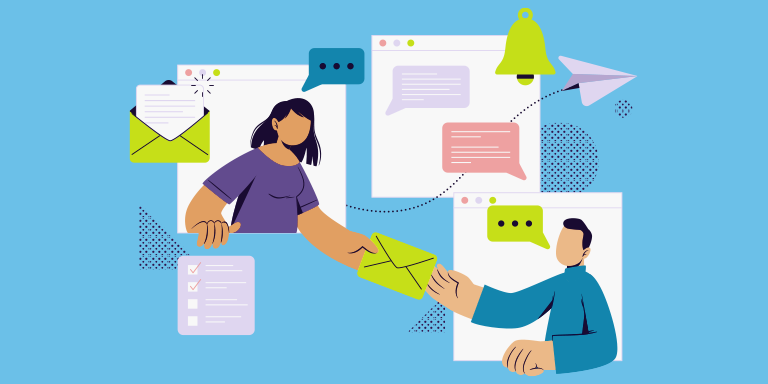
Most businesses obsess over getting the first sale. Far fewer think about what happens next.
After a customer buys, there is a quiet window where decisions are already being made. Will they remember you? Will they come back? Or will your brand slowly fade while something else grabs their attention?
This is where timely email makes the difference.
Not more emails.
Not louder promotions.
Just the right message at the right moment.
When emails arrive in context, after a purchase, during a pause, or exactly when a customer is ready to re-engage, they feel helpful instead of intrusive. And that is what turns one-time buyers into repeat customers.
In this article, I will break down how timely emails work, why they are so effective for retention, and how you can use them to keep customers coming back without increasing your workload.
Why Timing Matters More Than Frequency
When email performance drops, most businesses respond by sending more. More campaigns. More promotions. More reminders.
But frequency is rarely the real problem.
Customers do not disengage because they receive too few emails. They disengage because the emails arrive at the wrong time. A message that feels relevant today can feel annoying tomorrow. The difference is context.
According to Omnisend’s 2025 ecommerce data, automated emails, despite accounting for just a small fraction of all sends, drove a disproportionately large share of revenue.
In fact, automated flows generated around 37% of email-driven sales from just 2% of email volume, highlighting how behaviour-triggered email at the right moment outperforms generic campaigns.
Timing gives your email meaning. It connects what the customer has just done, or is about to do, with a message that feels useful rather than promotional. That relevance makes the content feel personal, even when it is automated.
This is also why sending fewer, better-timed emails often improves retention. Instead of competing for attention, your brand shows up when it makes sense. When customers feel understood rather than marketed to, they are far more likely to come back.
The Psychology Behind Timely Emails
Timely emails work because they align with how people think, not how marketers plan campaigns.
Most purchasing decisions are shaped by emotion, habit, and context. When an email arrives at the right moment, it feels relevant without needing to work hard for attention. The timing does the heavy lifting.
One of the strongest psychological drivers here is recognition. When a message reflects something a customer has just done, bought, or shown interest in, it signals that the brand is paying attention. That sense of being understood increases trust and lowers resistance.
Another factor is momentum. After a purchase or interaction, customers are already mentally engaged with your brand. A well-timed follow-up keeps that momentum going. Miss that window, and the emotional connection fades faster than most businesses expect.
Timely emails also reduce decision fatigue. Instead of asking customers to think about whether they want to re-engage, the email arrives when the decision is already half made. The action feels natural, not forced.
This is why retention-focused emails rarely feel promotional when they are timed correctly. They feel supportive, helpful, and easy to act on. And when customers associate your brand with ease rather than effort, coming back becomes the default choice.
The Email Moments That Bring Customers Back
Understanding the psychology behind timely emails is only useful if you know where to apply it. Retention is not driven by constant contact. It is built through a small number of moments where timing, relevance, and intent line up.
Email works best when it supports those moments rather than interrupting them.
Right after the first purchase is one of the most important windows. Customers are still emotionally invested, but they are also subconsciously looking for reassurance that they made the right decision. A timely email here should focus on confirmation and confidence. Setting expectations, offering helpful guidance, or reinforcing the value of what they bought can reduce buyer’s remorse and increase the likelihood of a second purchase.
Then comes the quiet period. This is where many brands go silent or default to generic promotions. Instead, this is an opportunity to stay present without selling. Emails that educate, inspire, or help customers get more value from what they already purchased keep the relationship warm while trust builds.
Finally, there is the re-entry moment. This is when a customer is naturally ready to return. It might be driven by time, usage, or behaviour. When your email arrives at this point, it feels intuitive rather than persuasive. The action feels obvious because the timing is right.
These moments do not require more emails. They require better timing. When your messages align with where the customer already is, coming back feels natural, not forced.
A Timely Email That Brings Customers Back
Imagine a customer who made their first purchase a few weeks ago. They have not returned yet, but they also have not disengaged.
This is a perfect moment for a timely email.
Instead of sending a generic promotion, the message arrives with a clear purpose.
The subject line focuses on relevance, not urgency. It references the customer’s last interaction or hints at what comes next. The goal is to remind, not pressure.
Inside the email, the opening line acknowledges where the customer is. It reinforces the value of what they already bought and helps them get more out of it. There is no hard sell. The tone is supportive and confident.
The body of the email keeps things simple. It highlights one useful tip, one insight, or one next step that feels logical at this stage. The message is short enough to scan and clear enough to act on.
The call to action reflects the moment. It invites the customer to return in a low-friction way, such as:
- Exploring a related product
- Restocking a previous purchase
- Seeing what other customers found useful next
Nothing feels forced. The email arrives when the customer is ready, and the action feels natural.
This is what an effective retention email looks like. Not louder messaging or deeper discounts, but thoughtful timing paired with relevance.
Final Thoughts
Customers don’t come back because they receive more emails. They come back because the right email shows up at the right moment.
When your messages are timed around real behaviour, not arbitrary schedules, email stops feeling like marketing and starts feeling like part of the experience. That is what builds trust, familiarity, and long-term loyalty.
If you want to keep customers coming back without increasing manual work, Omnisend gives you the tools to do it. With behaviour-based automations, dynamic personalization, and built-in social proof, it helps founders turn timely moments into repeat revenue.
Foundr readers also get 50% off their first 3 months. Just use code FOUNDR50 when you sign up and start sending emails that customers actually look forward to.
