

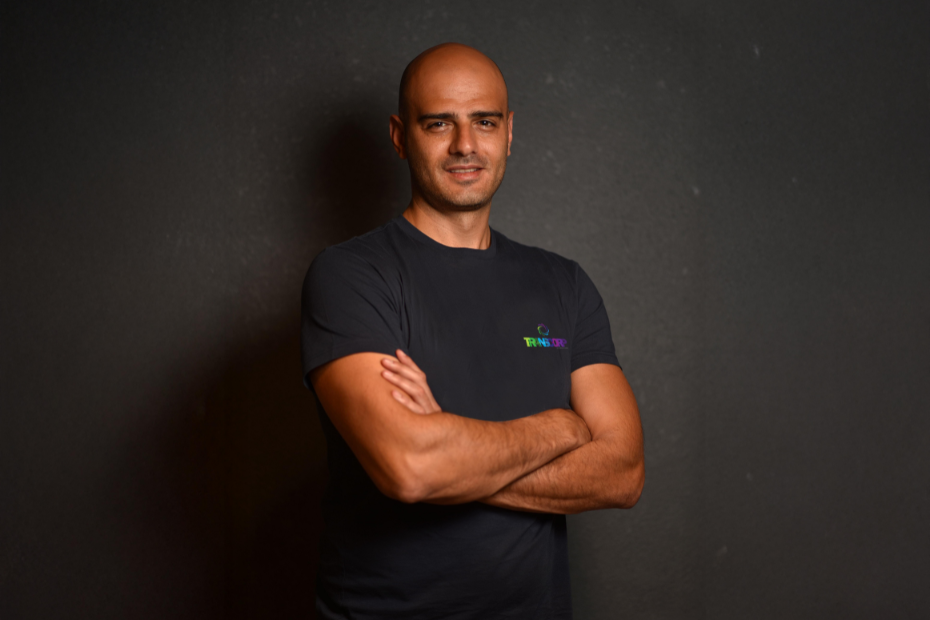
Rodrigue Nacouzi, CEO of Transcorp International/Image: Supplied
Global trade faces unprecedented pressures, from chokepoints in the Red Sea to shifting economic alliances; regional logistics players are being forced to adapt at speed. Rodrigue Nacouzi, CEO of Transcorp International, believes resilience, sustainability, and technology adoption will define the sector’s next decade.
Speaking exclusively with Gulf Business, Nacouzi outlined how Transcorp is navigating vulnerabilities in critical trade routes, leveraging AI-powered forecasting to improve efficiency, and responding to the UAE–India Comprehensive Economic Partnership Agreement (CEPA). He also shared his insights on what it will take for logistics players across the GCC to future-proof their operations.
Securing critical trade routes
With 30 per cent of global trade passing through the Red Sea and Gulf of Aden, security concerns and chokepoints remain front of mind for regional operators. For Nacouzi, mitigating these risks requires agility and data-driven resilience.
“We recognise the strategic importance of the Red Sea and Gulf of Aden, with both routes serving as crucial arteries for global trade,” he said. “To mitigate the vulnerabilities along these routes, regional players should focus on building a resilient, data-driven logistics network.”
For Transcorp, this means deploying dynamic AI-powered route optimisation that accounts for geopolitical risks, traffic disruptions, and seasonal fluctuations. Predictive analytics allow the company to foresee potential disruptions and adjust routes to avoid chokepoints, while multiple regional hubs and alternative shipping corridors provide flexibility.
“It is essential to invest in the agility of logistics operations,” Nacouzi added. “Expanding digital solutions like real-time tracking and AI-powered forecasting allows for continuous monitoring and rapid response to disruptions. Blockchain also has the potential to ensure transparency and secure real-time data sharing across the entire supply chain.”
CEPA and cold-chain growth
The UAE–India Comprehensive Economic Partnership Agreement (CEPA) is reshaping logistics in the Gulf, especially around temperature-sensitive goods. Nacouzi sees the deal as a growth catalyst.
“The UAE–India CEPA is a significant development that is reshaping logistics and cold-chain operations in the region,” he explained. “This agreement facilitates smoother trade by reducing tariffs, simplifying customs processes, and enhancing the flow of goods across borders.”
As a result, demand for cold-chain solutions—vital for pharmaceuticals, food, and electronics—is rising sharply. “The trade agreement accelerates the need for rapid and seamless cold-chain deliveries, and we’re investing in the infrastructure required to support this growing market,” he noted.
Technology adoption is at the core of Transcorp’s strategy. AI-driven forecasting and predictive analytics have transformed how the company anticipates and manages disruption.
“AI-powered tools allow us to predict demand fluctuations with great accuracy, ensuring we have the right resources and infrastructure in place before peaks occur,” Nacouzi said. The company also deploys predictive maintenance systems that monitor vehicles in real-time and forecast mechanical failures before they happen, reducing costly downtime.
“With this real-time visibility, we are able to provide our customers with up-to-the-minute information, improving trust and ensuring the integrity of their time-sensitive shipments,” he added.
As GCC economies push toward net-zero targets, logistics operators are under pressure to align with green goals. Nacouzi confirmed that sustainability is “deeply embedded” in Transcorp’s operations.
“We have integrated solar-powered warehouses and electric vehicles into our fleet to minimise carbon emissions,” he said. “We also prioritise the use of recyclable packaging and energy-efficient cooling systems, significantly reducing energy consumption.”
Transcorp is also aligning with circular economy principles by partnering with suppliers who share its sustainability goals. Optimising routes to cut fuel use and investing in renewable-powered infrastructure are central to its long-term roadmap.
Regional integration
Efforts to harmonise GCC regulations are already creating new opportunities for logistics players. “Harmonised regulations across the GCC, coupled with initiatives to streamline cross-border logistics, make it easier for us to expand our operations without facing significant regulatory barriers,” Nacouzi explained.
The unification of customs and liberalisation of logistics zones are smoothing trade flows and enabling faster regional expansion. For Transcorp, this means scaling its network across the Gulf while reducing operational friction.
Operating in 50 cities across the UAE, Saudi Arabia, and Qatar has taught Transcorp several key lessons that could guide other logistics players navigating complex trade networks.
Read: DP World invests $2.5bn in logistics, creating 5,000 jobs in 2025
“One key takeaway is the importance of understanding the unique regulatory, cultural, and infrastructural challenges of each market,” Nacouzi said. “The GCC is a diverse region with varying levels of logistical infrastructure, and success depends on tailoring your operations to local conditions.”
He added that strong partnerships with local suppliers, governments, and logistics providers are essential for smooth operations. But above all, adaptability is critical. “Flexibility and adaptability are crucial—being able to quickly respond to changes in market demand, regulatory environments, or geopolitical shifts is critical for long-term success.”
Logistics providers in the GCC face both challenges and opportunities. For Nacouzi, the winners will be those who embrace technology-driven agility, sustainability, and regional integration while preparing for shocks across critical trade routes.
