

Unlock the White House Watch newsletter for free
Your guide to what Trump’s second term means for Washington, business and the world
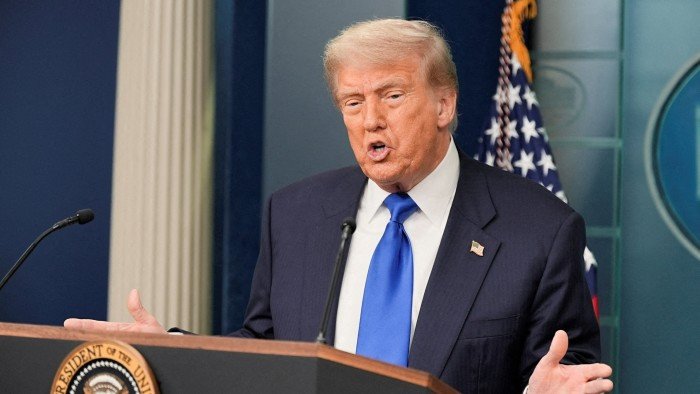
For America’s private health insurers, President Donald Trump’s “big, beautiful bill” is turning out to be not so pretty.
Among the many provisions in the giant tax and spending package were the ones tightening eligibility for Medicare, which provides health insurance for the elderly, and Medicaid, a federal state programme for low-income and disabled people. The bill also affects another key insurance market — Obamacare marketplace plans.
Federal tax credits that help people pay for these plans were not extended, meaning fewer people will be able to afford insurance when the subsidies expire in December. In all, some 16mn people could lose their coverage over the next decade, according to Congressional Budget Office estimates.
For insurers that have made big bets on managing government-subsidised health insurance programmes, the changes could not come at a worst time.

After several years of outsized growth as premiums far exceeded medical outlays, health insurers have suffered a reversal. Costs are rising as people, particularly seniors, come back for procedures put off during the pandemic. At the same time, federal payments for Medicare Advantage — private Medicare plans run by insurance companies that are mainly funded by the government — have dropped after the Biden administration clamped down on costs.
At UnitedHealth Group, net income fell more than a third last year. In May, it suspended its 2025 guidance on higher than expected medical costs for Medicare Advantage plans — an area in which it has expanded aggressively. The shares have shed half their value since April.
Fellow insurer Centene last week pulled its full-year guidance while this week, Molina Healthcare lowered its outlook. The two, which generate more than three quarters of revenues from Medicaid and other government healthcare programs, cited rising medical costs. Their shares have slumped 43 per cent and 25 per cent respectively over the past week.
Trump’s new legislation, by shrinking and further changing the health and cost profile of the enrollee pool, will only add to the pressure. In theory, insurers can raise premiums next year to offset the rising costs. In practice, higher premiums will probably drive healthier people to drop their insurance while those who remain would have more serious conditions — costing more to treat in a form of adverse selection.

The government has been the big driver behind insurers’ stock gains for many years but the gold rush is over. Instead, insurers that have historically underperformed because of their lack of exposure to government work are getting their moment in the sun. Cigna, which sold its small Medicare business to focus on the commercial insurance market, is up 13 per cent this year. Humana and Elevance Health, which have scaled back their exposure to the Medicare, have suffered far smaller declines than UnitedHealth and its rivals. With the exception of Cigna, big insurers are trading below their long-term average valuations. Consolidation could be the most attractive outcome for investors from an ugly situation.
