

:max_bytes(150000):strip_icc():format(jpeg)/GettyImages-1386836139-67089e6213cd4d568974ee516917744f.jpg)
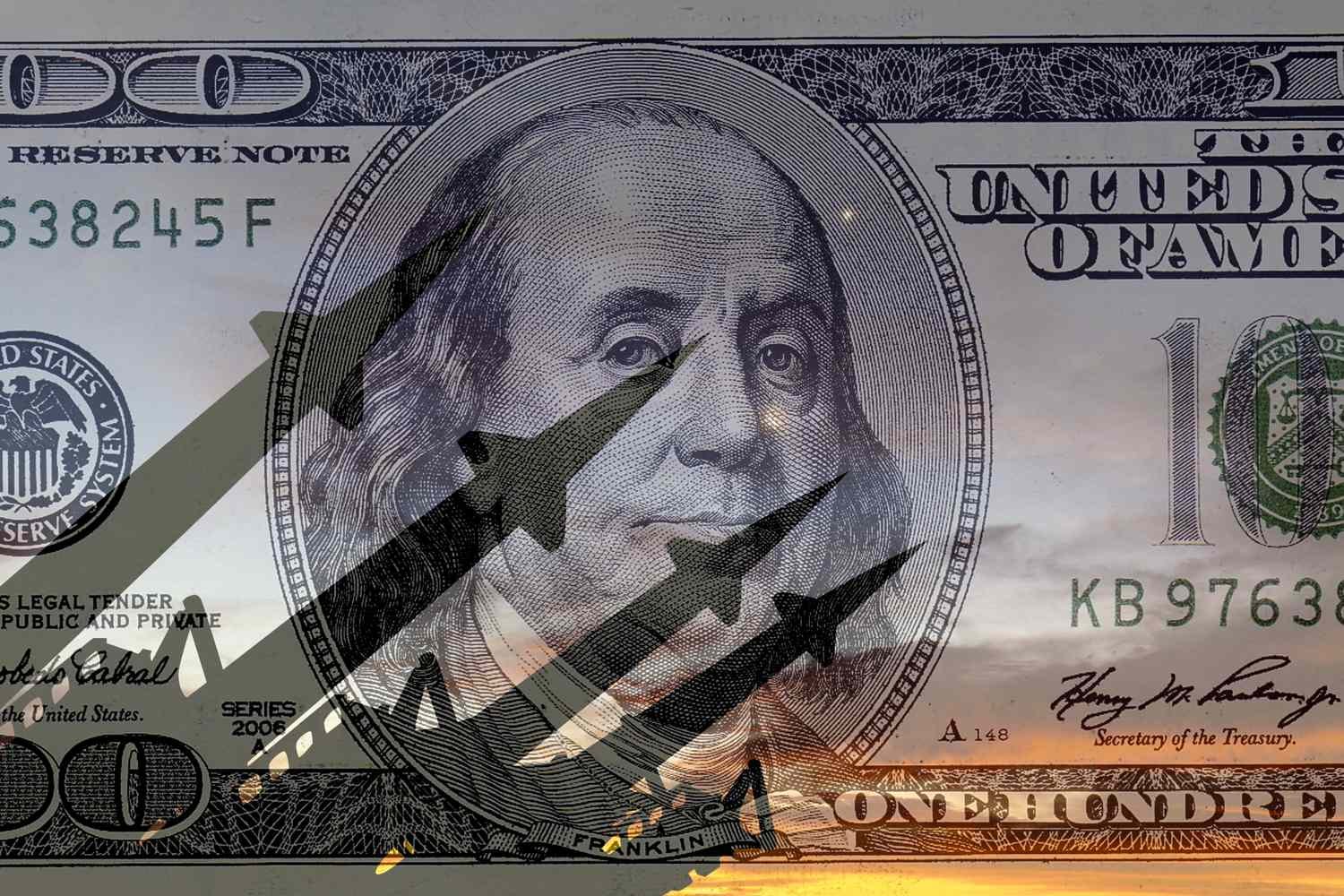
“Dollar weaponization” refers to the expanding use of America’s currency dominance—trade settlement, access to the Federal Reserve’s clearing system, SWIFT messaging, and New York–jurisdiction settlement—to coerce foreign actors through sanctions, asset freezes, and trade restrictions.
The 2022 freeze of roughly $300 billion in Russian reserves marked a watershed: For the first time, a G-20 member’s sovereign assets were blocked outright, signaling that no holder is too big to sanction. Since then, Washington has doubled down: the budget for the 2025 fiscal year requests a record $231 million for the Treasury’s Office of Terrorism and Financial Intelligence to expand sanctions enforcement.
But these aggressive moves may actually be undermining the dollar’s global dominance. Reserve managers, unnerved, have quickened efforts to diversify into gold, yuan, and regional payment rails, pushing the dollar’s share of official reserves below 47% for the first time.
Key Takeaways
- Dollar weaponization leverages policy tools like sanctions, SWIFT exclusion, and asset seizures to achieve U.S. foreign-policy aims.
- The tactic reached a new level in 2022 with a Russian asset freeze and has expanded every year since.
- Blowback is tangible. Surveys show a majority of central bankers now view weaponization risk as a primary driver for cutting dollar exposure.
What Dollar Weaponization Actually Means
Sanctions are not new, but the post-9/11 legal architecture gives Washington extraterritorial reach: any transaction cleared in dollars, anywhere, ultimately passes through the New York Fed or U.S. correspondent banks, and is therefore subject to U.S. law. Regulators can, therefore, block assets, fine counterparties, or bar entities from dollar settlement entirely.
Cutting Iran from SWIFT in 2012, for example, slashed its oil revenues, while more recent measures against Chinese tech firms hinge on the same dollar choke point.
Academic work from the London School of Economics describes this leverage as a “single-key veto” over global finance, noting that even non-U.S. banks must comply or lose dollar access.
A Surge in Dollar Warfare
The Russian invasion of Ukraine dramatically expanded the weaponization playbook. By seizing Russia’s central bank assets, the U.S. demonstrated that sovereign reserves are no longer sacrosanct. Since then, the U.S. Treasury has added more than 3,000 names to the SDN list and, according to Financial Times tallies, splintered supply chains with suppliers caught up in third countries such as India, Turkey, and the UAE.
Simultaneously, Washington has ratcheted up secondary sanctions, threatening any firm worldwide that settles even non-dollar trades with blacklisted entities. Analysts argue that such policies, intended to preserve U.S. strategic reach, risk overreach because they push allies and adversaries alike to seek work-arounds.
Weaponization to De-Dollarization
Reserve managers and investors have taken the hint. A May 2025 survey found 85% of 84 central bank reserve managers said they believed the weaponization of reserves would have significant consequences for the future of reserve management. Furthermore, 76% of respondents now classify U.S. sanctions risk as a “significant” factor in asset allocation, up from 30% before 2022. Gold purchases by both central banks and ETFs jumped to near-record levels in 2024 through the first half of 2025—while the People’s Bank of China and the Reserve Bank of India have opened direct yuan-rupee settlement corridors to reduce reliance on New York clearing.
Once weaponization costs breach a credibility threshold, network effects reverse: the more Washington flexes the dollar, the faster alternatives tend to mature.
Market data back the view: the dollar index is down 7.5% so far in 2025, and the share of global reserves held in dollars has fallen significantly since the Russian freeze.
Even close allies are hedging. Poland now holds 20%+ of its reserves in bullion, while ASEAN members aim to settle more of its intra-regional trade in local currencies by 2030.
The Bottom Line
Weaponizing the dollar delivers potent, low-cost leverage for U.S. policymakers, but its overuse is eroding the very network dominance that makes the tactic possible. Each new sanctions package nudges central banks, companies, and even allies to build parallel rails—whether in gold, local-currency swaps, or digital ledgers—chipping away at dollar primacy bit by bit.
