

Unlock the Editor’s Digest for free
Roula Khalaf, Editor of the FT, selects her favourite stories in this weekly newsletter.
As the Genius Act moves inexorably towards legislation, US banks are likely to come under more pressure to do business with stablecoin issuers and cryptoasset firms. But this might cause them new regulatory troubles. The Federal Reserve, like most global supervisors, has always included in its risk ratings a measure of “reputational risk” — the risk that doing some kinds of business might attract unfavourable publicity and lead to either business franchise damage or in the worst case, a bank run.
How are banks going to cope with the post-Genius world?
It seems that the Fed is going to solve the problem for them, by taking a leaf out of Joan Jett’s songbook:
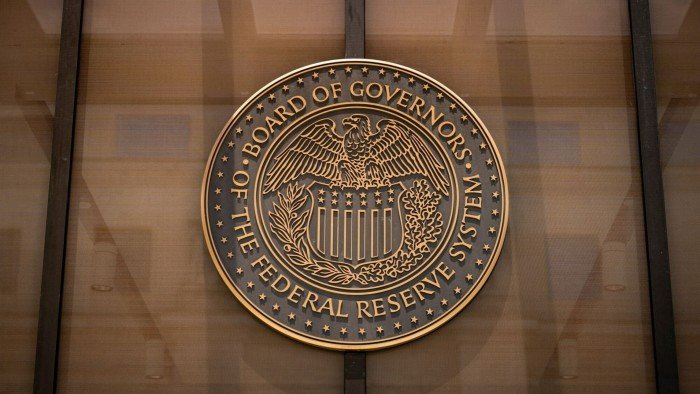
The Fed this week circulated a revised version of its Guidelines for Rating Risk Management in which all mention of reputational risk has been removed. Officially, this is because it was seen as too subjective an issue, resulting in banks being scored down by the personal judgment of prudish supervisors on their legal business with legitimate clients, despite doing well on all other aspects of risk management.
Crypto has nevertheless taken it as a big win for crypto. It was commonly seen in their world as unfair that the Fed reputational risk score would sometimes be used as a pretext for “debanking” of crypto firms. The FDIC and OCC have also taken similar action.
Of course, ignoring a risk doesn’t make it go away. As the report into the failure of Signature Bank makes clear, if you’ve got a very run-prone liability structure based on flighty wealth management deposits, anything which gets you negative headlines can turn into an existential crisis pretty quickly.
The Fed guidelines, while removing reputational risks from the official score, remind banks that they need to manage all their business risks. That still includes the risk that if you lie down with dogs, you might wake up with fleas.
And it might be a little bit worse than that. As the Basel Committee’s guidance on the supervisory review process reminds us, the reason why supervisors worry about reputational risk is not just that bad publicity is bad. It’s that the fear of bad publicity often makes good bankers do stupid things. In particular, bankers have a terrible habit of throwing good money after bad, by bailing out clients and business partners which are meant to be separate entities. Reputational risk is one of the precursors to “step-in risk”.
In other words, if a crypto firm starts going around saying that it is banked by a Top Quality Wall Street Name, and attracts customers on that basis, then if the crypto firm gets into trouble, those customers are going to start looking to the Wall Street partner to make them whole. And the bank might do it, in order to preserve its reputation and its longer term business franchise, or in order to “stop the rot” and stall a contagious panic.
Supervisors hate this practice. It caused huge losses in the 2008 financial crisis, as it turned out that banks were not good at judging the size of the black holes they were promising to fill.
More generally, it breaks the relationship between the published balance sheet, the supervisory returns, and the actual risks to capital. But it’s very difficult to eliminate, particularly since it’s often hard to distinguish the bad kind of step-in risk from the rescue operations that the supervisors often like to organise themselves.
Now the US authorities have decided that they’re not going to ask anyone to systematically keep track of the kind of company that regulated banks are keeping. It all feels a bit “what could possibly go wrong”, doesn’t it?
