

:max_bytes(150000):strip_icc():format(jpeg)/GettyImages-2216491792-1b2981bfa8b74f53904d72d95b154b35.jpg)
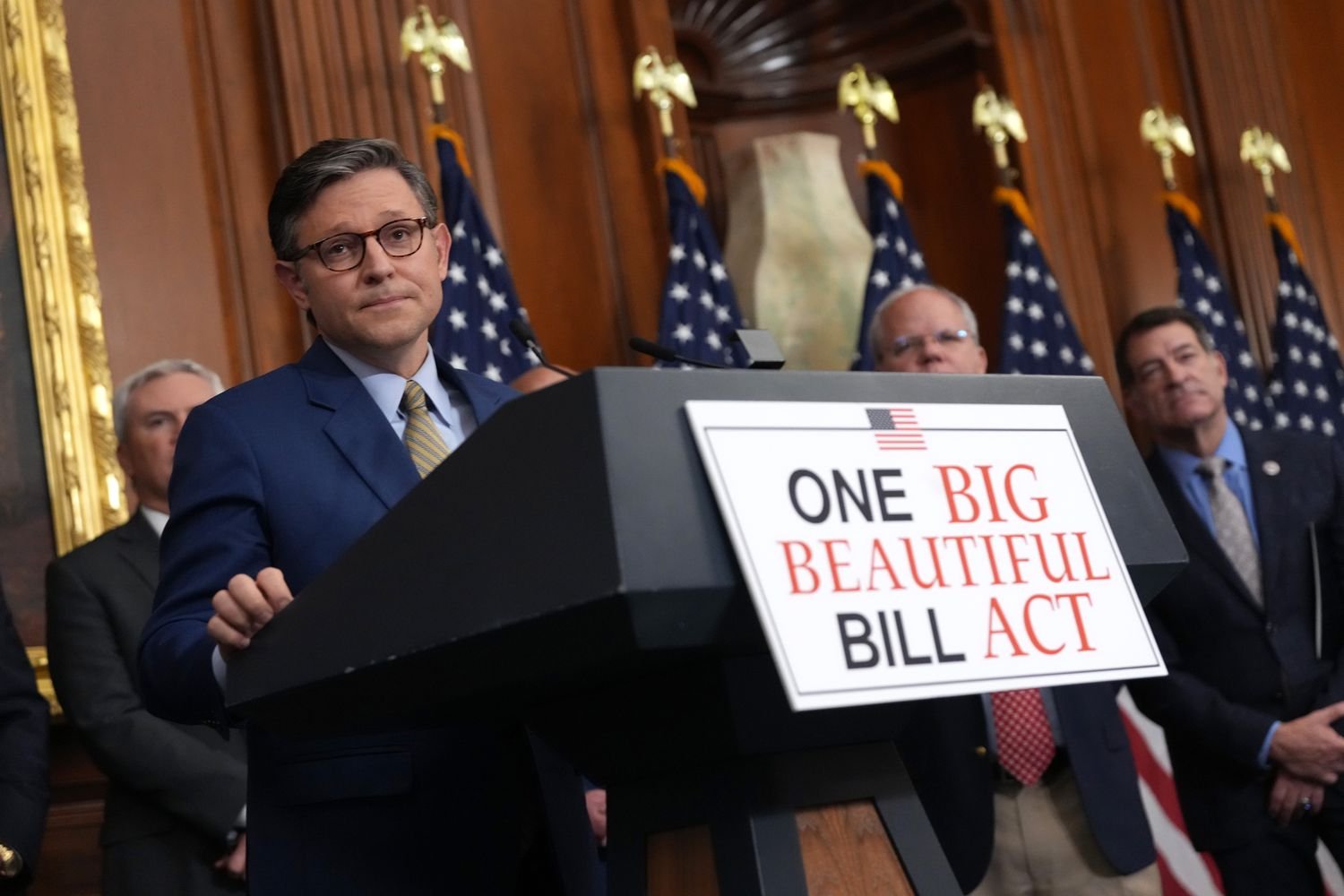
The sweeping and controversial One Big Beautiful Bill Act (OBBBA) fulfills many of Donald J. Trump’s 2024 campaign promises: it makes his first-term tax cuts permanent, includes a handful of family-friendly tax breaks, and introduces relief for tipped and overtime pay.
At the same time, critics warn it will increase the national debt by several trillion dollars, give most benefits to higher-income earners, and pay for the bill, in part, by rolling back popular green-energy incentives and cutting Medicaid and SNAP eligibility.
While many households may see a lower tax bill through at least 2035, the Congressional Budget Office projects that trillions will be added to the national debt over the next decade as a result.
Key Takeaways
- The OBBBA puts in place significant changes to tax laws, affecting everything from healthcare to education and retirement.
- Several green-energy credits disappear, while work requirements and additional restrictions to qualify for Medicaid and SNAP benefits.
7 Things Taxpayers Need to Know About the Big Beautiful Bill
1. Your Present Rate Schedule Becomes Permanent
The bill locks in the post-2017 individual tax brackets—including the 37% top rate—beyond their scheduled sunset, and cements the near-doubled standard deduction, adding an extra year of inflation indexing.
2. The Child Tax Credit Rises to $2,200—and Stays There
The child tax credit increases from $2,000 to $2,200 per child and will now adjust annually for inflation (plus $1,700 of that is refundable in 2025). This expansion alone, however, will cost the government about $797 billion.
3. SALT Relief (but only for five years)
SALT refers to “state and local taxes.” Under the new law, homeowners may deduct up to $40,000 in state and local taxes for 2025 through 2029, subject to filing status and income thresholds; from 2030 the cap then drops to $10,000.
4. 20% Pass-Through Deductions
Small business owners and sole proprietors can now claim the full 20% qualified-business-income write-off indefinitely, with added benefits for service businesses widening to $75k ($150k for joint filers).
Tip
A Yale Budget Lab analysis found that the OBBBA is unlikely to add to economic growth over time. “Over the first 10 years, average GDP growth is functionally zero, reflecting that the small, short-term growth impacts are replaced by negative growth moving forward,” its report noted.
5. Overtime and Tips Come with New Deductions
Starting with 2026 returns, eligible workers may deduct up to $25,000 of combined overtime and tip income from federal taxable income (phase-out at $150k single / $300k joint). Payroll taxes still apply, but servers and gig workers could pocket hundreds in savings annually. The provision expires after 2028.
6. Green-Energy Incentives are Ending
Incentives for buying electric vehicles, installing home chargers, heat pumps, or rooftop solar disappear Jan. 1, 2026. If you were banking on Inflation Reduction Act rebates, accelerate those purchases in 2025.
7. Safety Net Cuts and Other OBBBA Changes More than Offset Tax Cuts for Many
New work requirements for Medicaid and stricter rules for SNAP benefits will shift certain costs to states and could leave about 12 million Americans without coverage. Families who lose subsidies may find that higher out-of-pocket medical or grocery bills neutralize their tax break.
The Bottom Line
For many middle-class households, the OBBBA largely builds on the status quo established by tax law changes in the first Trump administration: familiar tax brackets, increased per-child relief, and a modest boost to itemized deductions—plus a headline-grabbing tax break for tipped workers. Small-business owners are eligible for the permanent QBI deduction.
The tradeoff is a rollback of green-energy incentives and a leaner safety net that could raise living costs for millions. Before celebrating—or lamenting—the headline numbers, run the math yourself or with your tax preparer. The bill reshuffles enough moving parts that your net benefit, like the legislation itself, may be bigger, smaller, or simply different from what it first appears.
